The Development of Metal Forming Equipment: Historical Context, Current Trends, and Future


The world of metal forming machinery has seen significant transformations over the years, responding to the constantly changing demands of industries ranging from vehicle manufacturing to aerospace. As emerging technologies develop and manufacturing processes become more sophisticated, the machinery that molds metal has also evolved dramatically. Starting with the initial phases of artisan tools to modern advanced automated systems, the evolution of metal shaping tools reflects both innovation and the pursuit of optimization.
Grasping this evolution is crucial for industry professionals and fans alike. By exploring the history, we can appreciate the foundational techniques that paved the way for modern-day practices. In looking at the present, we find a wide range of machinery that utilizes state-of-the-art technology, improving precision and output. Ultimately, considering the upcoming trends, we can expect trends that will persist to influence metal forming machinery, possibly revolutionizing the way we approach metal shaping for decades to come.
Chronological Evolution of Metal Forming Equipment
The roots of metal forming equipment can be traced to ancient times when artisans used primitive tools to form metal. Early techniques involved manual hammering and rudimentary anvils, enabling craftsmen to fabricate basic forms and tools. These methods were demanding and required substantial skill, with blacksmiths holding a essential role in society. As civilizations evolved, so did the technologies linked to metal forming, resulting in the creation of more sophisticated tools and processes.
The Industrial Revolution marked a significant turning point in the progress of metal forming machinery. With the advent of steam power and mechanization, manufacturers began to fabricate equipment able to reducing the labor associated with metal shaping. This era saw the launch of equipment such as steam hammers and hydraulic presses, significantly increasing the speed and efficiency of metal forming operations. These advancements not only improved production capabilities but also enabled greater precision and complexity in designs.
As the 20th century advanced, innovations in technology continued to alter the landscape of metal forming equipment. The adoption of computer numerical control (CNC) technology changed the manufacturing process, allowing operators to reach high accuracy and repeatability in metal forming tasks. Automation and robotics additionally streamlined production, lessening manual labor while increasing output. This ongoing progression highlights the ever-changing nature of metal forming machinery, adapting to meet the demands of modern industries and paving the way for future developments.
Current Techniques in Metal Shaping
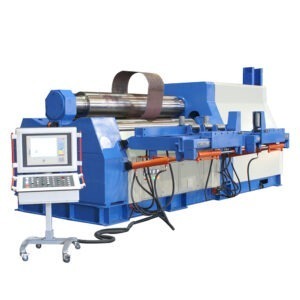
Metal forming machinery has seen considerable improvements with the integration of automated systems and computing. Current equipment often makes use of CNC numerical control (CNC) systems, allowing for precise and consistent machining processes. This technology enables manufacturers to produce complex shapes and components with improved accuracy, reducing material waste and increasing efficiency. With CNC equipment, operators can input intricate designs that can be systematically adjusted for different production runs, boosting overall flexibility in production.
Additionally significant advancement in the industry is the use of fluid-powered and mechanical press technologies. Hydraulic presses have become increasingly popular due to their ability to generate significant pressure with steady operation, making them ideal for both massive and detailed metal forming tasks. Mechanical presses, on the other hand, offer stable speed and reliability, often preferred for large-scale production. The combination of these technologies allows manufacturers to optimize their processes, achieving faster cycle times and increased production rates.
Moreover, innovative materials and advanced techniques such as 3D printing are starting to impact metal forming. The arrival of hybrid manufacturing processes blurs the lines between conventional machining and 3D printing, enabling the creation of sophisticated geometries that were once hard or impossible to produce. https://kiston-machinery.com/ enhance the performance of metal forming machinery but also create new possibilities for product development and creation, signifying a dynamic future for the industry.
Future Developments in Metallurgical Shaping Equipment
As tech continues to advance, the future of metallurgical forming machinery is anticipated to be greatly influenced by automated processes and intelligent manufacturing. The combination of robots and artificial intelligence will enhance manufacturing effectiveness and precision. Devices will be able to track their own functioning, predict maintenance needs, and adapt to varying production environments with little person intervention. This shift towards intelligent technologies will not only streamline operations but also lower running expenses and increase production standards.
Eco-friendliness will also play a crucial role in the evolution of metallurgical shaping machinery. Producers are increasingly seeking ways to reduce scrap and energy consumption in their processes. The development of machinery that utilizes advanced materials and novel shaping methods will help in minimizing ecological footprint. Systems such as energy-efficient drive systems and recycling capabilities will become standard, in line with global efforts to encourage eco-friendly practices in production.
Moreover, the customization of metal forming equipment will become a major focus as industries demand more tailored solutions to meet specific requirements. The future will bring flexible devices capable of modifying their parameters and configurations rapidly, accommodating a wider range of materials and configurations. This adaptability will not only serve niche markets but also improve agility in manufacturing lines, allowing producers to respond swiftly to evolving industry demands.